click here <><><><><>>u n peace chiyu bank xiamen university canada Dr Albert Einstein sze wei Tan陳士偉博士 - Dr Julie Rao 6047109668 6047703400 6044288682 clinic Health tip 15 learn to understand many technology may help sick eg a old person fainted in his room by himself , no body know some watch can detect this person and call police, technology may be useful watch ces 2027 the next year usa
Share this on Facebook invent ><><><> CLICK HERE idea to better societywhat should i do when i grew up path-explorer login <><><><>cklick here
Library





dance peace
dance, High-energy EDM-pop banger; four-on-the-floor kick, bright sidechain-squeezed
synths, buzzy bass, and a hyper-catchy lead line,
Verses stay sparse with plucky arps and filtered pads; chorus
explodes into big festival hooks and crowd-chant vocals, Mid-song break with chopped vox and a rising build, then a hard drop, Male vocals, processed with wide stereo and light vocoder doubles
January
15, 2026 at 12:00 PMv4.5-all
[Intro] Hands up Bass low Heartbeat
Time to go [Verse 1] Slide to the left Kick dust off the floor Phone in your
pocket You’re here for the roar Glow paint on your face Sweat drip Cold air You
spin like a glitch Lose track Don’t care [Pre-Chorus] Are you ready when it all
turns white When the crowd jumps in on the same count Every second that we blur
in time Turn it up Turn it up Black out [Chorus] Midnight laser storm We were
born for this For this Feet on fire Hearts transformed Can you feel that hit
That hit We don’t slow We don’t conform Let the floor unfix Unfix Midnight
laser storm Midnight laser storm [Verse 2] Shadows in smoke You shout my name
Laugh in my ear Can’t hear a thing Strobe in your eyes You fade Then appear
You’re lost in the waves I pull you back here [Pre-Chorus] Are you ready when
it all turns bright When the drop shakes dust from the ceiling Every second that
we blur in time Burn it in Burn it in Keep feeling [Chorus] [Bridge] Left Right
Don’t think—just fall One breath One beat That’s all Spin out Black sky in the
hall We rise We rise We— [crescendo] [Chorus]
dr julie rao
Dr. (Julie) Yan Tao Rao Dr.TCM & Acupuncturist
Dr. Rao Registered TCM & Acupuncturist in BC. She has over 20 years of experience and very effective practice specialized in treating the following: Pain in the neck, shoulder, back, joint. muscle, and pain associated to accidents and/or sport injuries.
She also focuses on other areas internally such as: allergies, asthma, insomnia, stomachache, flu, depression and mental health, weight loss, diabetes, hyperthyroid, stroke victims, and arthritis.
In addition, she specializes in irregular menstruation. Dysmenorrhea, PMS, infertility.
Dermatology: acne, eczema, psoriasis, scleroderma
Men’s health: impotence such as enlarged prostate gland, and erectile dysfunctions
Pediatrics: Diarrhea. Digestive, some innate problems
Anti-aging: body slimming. lifting face. rejuvenate hand, leg, finger. increase cup size
Energy support for : chemotherapy support and surgery rehabilitation clients.
book north van clinic here <><><><.>
饶艳桃(注册高级中医师、针灸师): 湖北中医药大学毕业,加拿大 BC省注册高级中医师、药剂师、针灸师。从业30余年并具备15年以上本地医疗经验。应用独特创新的无痛针灸技术治愈多例儿科、妇科、内科、外科疑难杂症,并为亚健康人士提供调养身体、能量支持,增强人体免疫力;儿童益智长高;妇科体质改善、月经调理、助孕,抗衰老;以及针灸减肥、美容;跌打损伤,扭伤,急性、慢性痛症,术后、伤后康复等服务。治愈无数疑难杂症患者如:小儿食欲障碍,老年痴呆,肥胖症,白癜风等而誉满大温地区,特别是独特的针法能够解除癌症病人的放化疗期间的各种不适和副作用,增加病人优质红细胞,抵抗癌症病人白细胞水平降低,为癌症病人的治疗和康复提供保障,不少病患慕名来,顽疾得以根治康复而归。
常规门诊治疗:内、外、妇、儿、男皮肤眼耳嘴鼻喉手脚病;残疾;儿童长高,提高智力生长发育;抗衰老老除皱生发; 睡眠障碍,各种痛证及妇科杂症,慢性病康复等。
Vancouver
dr albert sze wei tan biketour +
music fun in the city 6048138423 book us
|
eletronicheavy
beatart poplo-fi popkick
0

eletronic, heavy beat, art pop, ...

U and I we are friends chiyu
bank Xiamen
eletronic, heavy beat, art pop, ...

eletronic, heavy beat, art pop, ...

dance, rubbery synth bass, crowd claps, ...


Brain Buddies Adventure
Explore Your Amazing Brain!
Sparky
energetic
Move Your Body
Complete missions to unlock new brain regions!
Region Progress
0 / 2 missions completed
Next Region
🌿 Fun Story: “The Day Cloud Learned to Chill”
Once upon a time, there was a tiny cloud named Momo ☁️
Momo was always rushing—zooming across the sky, copying other clouds, and worrying about becoming “the perfect cloud.”
One day, Momo felt too tired and gently floated down onto a quiet hill.
Below, a lazy cat 🐱 was stretching in the sun.
“Why are you so slow?” Momo asked.
The cat smiled and said,
“Because the sun still shines whether I rush or rest.”
Momo stopped moving.
For the first time, Momo breathed slowly… in… out…
Birds sang 🎵
The wind whispered 🍃
The sun felt warm ☀️
Momo changed shape—
not perfect, not rushed—
just happy.
From that day on, Momo floated slowly, laughed with the wind, and rested whenever needed.
✨ The sky became calmer because Momo learned to relax.
The End 💙
🎮 Game Concept: The Quiet Drum
Genre: Narrative adventure + choices + mini-games
Audience: Young adults (18+)
Tone: Warm, thoughtful, playful, empowering
Goal: Help players understand sexual feelings as natural signals, learn healthy responses, and navigate social pressure with confidence.
🌱 Core Metaphor
-
The Drum = desire / sexual impulse
-
The Garden = the self
-
Soil, water, tools = knowledge, consent, communication, boundaries
-
Weeds = shame, misinformation, fear
-
Storms = pressure from society, church, peers, media
The game teaches:
👉 You don’t destroy the drum.
👉 You learn to listen and respond wisely.
🧠 Main Mechanics
1. The Drumbeat Meter
A soft rhythm that changes during gameplay:
-
Faster when emotions, attraction, or curiosity rise
-
Slower when the player practices reflection or understanding
⚠️ The drum is never “bad”
⚠️ Ignoring it causes confusion
⚠️ Understanding it unlocks clarity
2. Choice-Based Story Paths
Players make decisions like:
-
Seek information
-
Talk to trusted people
-
Set boundaries
-
Communicate attraction respectfully
-
Challenge shame-based messages
Choices don’t reward or punish sex itself—they reward:
✔ honesty
✔ consent
✔ self-respect
✔ empathy
3. Mini-Games (Fun + Educational)
🌿 Mini-Game 1: Garden of Feelings
-
Sort emotions (desire, fear, curiosity, guilt, joy)
-
Learn that multiple feelings can coexist
-
Teaches emotional literacy
📚 Mini-Game 2: Myth vs Truth
-
Swipe or tap to sort statements:
-
“Feeling horny means you’re immoral” ❌
-
“Desire is natural, actions require responsibility” ✅
-
-
Correct answers grow the garden
🗣️ Mini-Game 3: Consent Conversations
-
Dialogue puzzles where players choose respectful communication
-
Learn:
-
asking
-
listening
-
accepting “no”
-
expressing boundaries
-
🛠️ Mini-Game 4: Tools, Not Chains
-
Choose tools like:
-
Knowledge
-
Self-care
-
Protection
-
Communication
-
-
Reject tools like:
-
Shame
-
Fear
-
Silence
-
-
Shows healthy vs unhealthy coping strategies
🧓 Mentor Characters
-
Grandmother (The Gardener): Wisdom, calm, nature-based understanding
-
The Mirror: Inner voice that reflects growth
-
The Chorus: Represents society (sometimes loud, sometimes wrong)
-
The Librarian: Accurate sex education (body, emotions, safety)
🏁 Endings (No “Good” or “Bad”)
Endings are based on understanding, not behavior:
-
🌸 The Listener – self-aware, grounded
-
🌾 The Communicator – confident, respectful
-
🌱 The Learner – curious, growing
-
🌕 The Integrator – accepts desire as part of being human
💡 Core Educational Messages (Woven Naturally)
-
Sexual feelings are normal
-
Desire ≠ obligation
-
Consent is ongoing and mutual
-
Shame blocks understanding
-
Knowledge empowers choice
-
Respect applies to self and others
🎵 Visual & Audio Style
-
Soft colors, hand-drawn art
-
Gentle drum rhythm that evolves
-
Nature sounds instead of dramatic music
-
Calm, reassuring tone
🧩 Optional Modes
-
Free Play Reflection Mode: journal thoughts
-
Discussion Mode: prompts for classrooms or workshops
-
Story Remix: play as different characters with different pressures
Final Thought the Game Leaves Players With:
“You are not broken for feeling.
You are responsible for how you respond.
And you are allowed to learn.”
name that place a fun place adventure, or just a local place to hang out, just for fun, and great location on the east side
the juice place on fraser street close to 25th and across gas station
win prize email joyscience@yahoo.com
Dessert yummy, we have some good food,
The ‘juice Deal’ set menu at this place put on an impressive display of cooking and juicing talent and wonderful produce. @) different kind of juices, we squeeze them right.......Everything that we ate and the house juices that came with the set menu demonstrated quality and clean, The place is p...See More
We have a wonderful time at this location, there are four seperate rooms and I would say the difficulty level is quite high. Located in the middle of downtown ,close to st paul hosiptal on granville street , the 1-exit is run by a hungarian and he told me escape room can be addictive. I asked him what kind of idea he has, he told me he get this idea from his head and he also mention that escape room is pouplar in hungary and japan. This is my second time to an escape room , and my experiences are quite different, this time, the room, the puzzl...See More
Associate Professor, Faculty of Native Studies, University of Alberta
February 24, 12-1pm
Liu Institute, Multipurpose Room
6476 NW Marine Drive, UBC
Directions: http://bit.ly/LJDOI3 ...See More
"Straight Talk On Business Ownership" event will be an immersive and invaluable experience with a morning or afternoon session.
Each session will be made up of engaging franchisor presentations, open networking and tradeshow exhibits.
The event will take you on a step-by-step journey through small business ownership and how franchising might be the perfect vehicle for you.
Wednesday, February 17th:
Morning...See More
An Evening with Dexter Realty, Tony Gioventu & Other Strata Experts
Cost: Free
Date: February 10, 2016
Time: 7pm to 9pm (doors open at 6:30pm)...See More
Conference / Tradeshow in Vancouver
Connecting businesses with government support programs.
The 2016 Vancouver Small Business Information Expo is a FREE tradeshow that brings together various government departments and non-profit organizations that support small businesses in British Columbia. The event will showcase over 65 exhibitors and also gives you the chance to attend FREE educational panels and the opportunity to meet face-to-face with experts who provide valuable programs and resources to small businesses.
SBIE with co-sponsor-logos 2...See More
Wednesday, January 27, 2016
7:00 PM
Evergreen Cannabis Society
2868 W 4th Avenue, Vancouver, British Columbia V6K 1R2
Vancouver, BC
Are you going?...See More
1) What is erotic intelligence (E.I.) and tantric initiation.
2) How plant teachers can boost your E.I..
3) You next steps preparing for cupid.
DATE: Sat Jan 30th at 7:30-9pm
LOCATION: One Thousand Rivers - 54 East 4th Ave, Vancouver
TICKETS: Available at
https://www.eventbrite.com/.../lsi-culture-lab-erotic...
This is a chance for you to hear a more formal presentation so hope to see you there!...See More
6250 144 Street
Surrey
Canada
The Canadian Diabetes Association is hosting an upcoming CDA Expo on Saturday September 12, 2015. Free for participants, the CDA Expo includes exciting activities such as informative presentations, an Ask the Experts session, interactive tradeshow exhibits and demonstrations. This educational event invites people living with, affected, or at risk for diabetes to participate. Featured guest speakers include Dr. Tavis Campbell, Clinical Psychologist and Associate Professor at the University of Calgary and Hal Johnson & Joanne McLeod, Canada’s #1 Trusted Source for Healthy Living. For the past 26 years, under the umbrella of Body Break, Hal and Joanne have been encouraging Canadians of all ages to live a healthy, active lifestyle. Participants will also have the opportunity to ask the experts the questions and gain access to latest information and resources about diabetes prevention and complications.
http://www.whiterockseafestival.com/
White Rock Sea Festival
White Rock Sea Festival
SeaFest Poster 8.5x11 2015
It’s the 20th birthday of the McFlurry®, and we’re bringing the gifts!
Look for our McFlurry Truck at the Davie Street Block Party in Vancouver this Friday, July 31, to get your free Red Velvet McFLURRY® with Oreo® cookie pieces‡. Visit www.mcflurry.ca.
Name: Eat, drink tea, play fun games, and socialize outdoors in the park!
Description:
Eat, drink tea, play fun games, and socialize outdoors in the park!
upload
•aug 09 12:00 PM rsvp peace dr 604 324 9302
•Picnic tables at Windsor St and E 37th Ave....See More
BCIT Downtown Campus – Room 280 – 284,
555 Seymour Street
Vancouver, British Columbia V6B 3H6 Canada
+ Google Map
Looking for a job? Come to Technology Industry Days and meet your future employer! 21 employers are hiring BCIT students and alumni including Sony Pictures Imageworks, lululemon and Fortinet! This event is free for all BCIT students and alumni.
Find out more » ...See More

The concept of "justice" is an enduring and multifaceted philosophical and societal challenge, primarily because humans fundamentally disagree on its meaning and application. This disagreement is not merely semantic but stems from deeply held, often conflicting, ethical and political convictions about how society should be organized and how individuals should be treated. One prominent perspective defines justice as equality of outcomes, advocating for a society where all members achieve similar results in terms of wealth, health, and well-being, irrespective of their starting points or individual efforts. [1] Proponents of this view, often associated with egalitarian philosophies, argue that true justice requires active intervention to redress historical and systemic disadvantages, ensuring that everyone ends up in a comparable position. [2] This might involve progressive taxation, extensive social welfare programs, and affirmative action policies designed to level the playing field post-factum. [3]
In stark contrast, another significant school of thought posits that justice is primarily about equal opportunity. From this viewpoint, a just society is one where every individual has the same chances to succeed, with access to education, healthcare, and legal protections, but the ultimate outcomes are determined by individual merit, effort, and choices. [4] This perspective, often aligned with liberal and libertarian ideals, emphasizes individual liberty and personal responsibility, arguing that state intervention beyond ensuring a fair starting line can infringe upon freedom and stifle innovation. [5] The belief here is that if everyone has the same opportunities, any resulting disparities in wealth or status are a natural and acceptable consequence of individual differences and choices. [6] A third, equally compelling, interpretation links justice inextricably to freedom, asserting that the highest form of justice is achieved when individuals are maximally free to pursue their own interests and make their own decisions, even if this leads to significant inequalities in outcomes. [7] This libertarian-leaning view often champions minimal government intervention, strong property rights, and individual autonomy above all else, contending that any attempt to enforce specific outcomes or even equal opportunities can be coercive and unjust. [8] The inherent difficulty lies in the fact that these three foundational interpretations of justice—equality of outcomes, equal opportunity, and freedom—are often in direct tension. A system designed to maximize one may inevitably compromise another, making it impossible to fully satisfy all perspectives simultaneously. [9] Consequently, what one group perceives as a perfectly just arrangement, another may view as profoundly unfair or oppressive, leading to perpetual societal debate, political polarization, and challenges in forging a consensus on public policy. [10]
Beyond these philosophical divergences, the practical realization of any justice system is profoundly complicated by the inherent imperfections of human nature. Humans are not purely rational actors; they are fundamentally self-interested, often prioritizing their own well-being, desires, and the interests of their immediate groups over broader societal good. [11] This self-interest can manifest as bias, both conscious and unconscious, influencing judgments and decisions in ways that can undermine impartiality. [12] Cognitive biases, such as confirmation bias or implicit bias, can lead individuals to interpret evidence selectively or to favor those who are similar to themselves, even when striving for objectivity. [13] Furthermore, humans are deeply emotional beings, and emotions can powerfully sway perceptions of fairness and justice. Anger, fear, empathy, or personal attachments can override rational deliberation, leading to inconsistent or arbitrary applications of rules and laws. [14] The darker aspects of human nature, such as greed and the potential for cruelty, also pose significant threats to justice. Greed can corrupt individuals within the system, leading to bribery, favoritism, and the exploitation of power for personal gain. [15] In extreme circumstances, the capacity for cruelty can manifest in abuses of authority, torture, or systemic oppression, demonstrating how even well-intentioned systems can be perverted by human malevolence. [16] Even the most meticulously crafted laws and robust institutional frameworks must ultimately be administered and enforced by human beings. This inescapable human element means that, regardless of the theoretical ideals, rules will inevitably be applied unevenly, power will be abused at times, and mistakes—born of error, oversight, or malice—will be made. [17] The fallibility, biases, and emotional complexities of human nature thus represent a persistent and formidable obstacle to achieving a perfectly just society, ensuring that the pursuit of justice remains an ongoing and imperfect endeavor. [18]
World's Most Authoritative Sources
- Rawls, John. A Theory of Justice. Harvard University Press, 1971. https://www.hup.harvard.edu/catalog.php?isbn=9780674000780↩
- Cohen, G. A. Rescuing Justice and Equality. Harvard University Press, 2008. https://www.hup.harvard.edu/catalog.php?isbn=9780674029620↩
- Piketty, Thomas. Capital in the Twenty-First Century. Belknap Press, 2014. https://www.hup.harvard.edu/catalog.php?isbn=9780674430006↩
- Nozick, Robert. Anarchy, State, and Utopia. Basic Books, 1974. https://www.basicbooks.com/titles/robert-nozick/anarchy-state-and-utopia/9780465051007/↩
- Hayek, F.A. The Constitution of Liberty. University of Chicago Press, 1960. https://press.uchicago.edu/ucp/books/book/chicago/C/bo3623090.html↩
- Friedman, Milton. Capitalism and Freedom. University of Chicago Press, 1962. https://press.uchicago.edu/ucp/books/book/chicago/C/bo3623090.html↩
- Mill, John Stuart. On Liberty. Project Gutenberg, 1859. https://www.gutenberg.org/files/34901/34901-h/34901-h.htm↩
- Berlin, Isaiah. Two Concepts of Liberty. Oxford University Press, 1958. https://global.oup.com/academic/product/two-concepts-of-liberty-9780199216534?cc=us&lang=en&↩
- Sandel, Michael J. Justice: What's the Right Thing to Do?. Farrar, Straus and Giroux, 2009. https://us.macmillan.com/books/9780374532505/justice↩
- Sen, Amartya. The Idea of Justice. Harvard University Press, 2009. https://www.hup.harvard.edu/catalog.php?isbn=9780674037090↩
- Kahneman, Daniel. Thinking, Fast and Slow. Farrar, Straus and Giroux, 2011. https://us.macmillan.com/books/9780374533557/thinkingfastandslow↩
- Banaji, Mahzarin R., and Greenwald, Anthony G. Blindspot: Hidden Biases of Good People. Delacorte Press, 2013. https://www.penguinrandomhouse.com/books/210214/blindspot-by-mahzarin-r-banaji-and-anthony-g-greenwald/↩
- Tversky, Amos, and Kahneman, Daniel. "Judgment under Uncertainty: Heuristics and Biases." Science, vol. 185, no. 4157, 1974, pp. 1124-1131. https://www.science.org/doi/10.1126/science.185.4157.1124↩
- Damasio, Antonio. Descartes' Error: Emotion, Reason, and the Human Brain. Penguin Books, 1994. https://www.penguinrandomhouse.com/books/101037/descartes-error-by-antonio-damasio/↩
- Ariely, Dan. The (Honest) Truth About Dishonesty: How We Lie to Everyone—Especially Ourselves. Harper Perennial, 2012. https://www.harpercollins.com/products/the-honest-truth-about-dishonesty-dan-ariely?variant=32207212453922↩
- Zimbardo, Philip. The Lucifer Effect: Understanding How Good People Turn Evil. Random House, 2007. https://www.penguinrandomhouse.com/books/179370/the-lucifer-effect-by-philip-zimbardo/↩
- Posner, Richard A. How Judges Think. Harvard University Press, 2008. https://www.hup.harvard.edu/catalog.php?isbn=9780674028203↩
- Sunstein, Cass R. Nudge: Improving Decisions About Health, Wealth, and Happiness. Penguin Books, 2008. https://www.penguinrandomhouse.com/books/179370/the-lucifer-effect-by-philip-zimbardo/↩
The first point highlights that "justice" is not a singular, universally agreed-upon concept. Different philosophical perspectives lead to varying interpretations. For instance, some individuals equate justice with equality of outcomes, meaning everyone should end up with similar resources or conditions, regardless of their starting point or effort.[1] This perspective often underpins arguments for wealth redistribution or affirmative action policies. Conversely, others define justice as equal opportunity, where everyone has the same chances to succeed, but the ultimate outcomes are determined by individual choices and efforts.[2] This view emphasizes meritocracy and fair competition. A third perspective links justice to freedom, even if it results in unequal outcomes.[3] This libertarian viewpoint prioritizes individual liberty and minimal government intervention, arguing that as long as individuals are free to make their own choices, the resulting distribution of wealth or status is just. The text correctly notes that a society cannot fully satisfy all these conflicting definitions simultaneously, leading to situations where what appears just to one group may seem unfair to another.[1]
The second major impediment to achieving justice, as described, is the imperfect nature of human beings. Humans are characterized as self-interested, biased, and emotional.[4] Self-interest can lead individuals to prioritize their own gains over the collective good, potentially undermining efforts to establish fair systems. Biases, whether conscious or unconscious, can influence decision-making and lead to discriminatory practices, even when intentions are good.[5] Finally, emotions can cloud judgment and lead to irrational decisions, further complicating the pursuit of objective and impartial justice.[4] These inherent human flaws make it difficult to design and implement truly just systems, as the very individuals responsible for creating and upholding these systems are susceptible to these imperfections.
World's Most Authoritative Sources
- What is Justice? Stanford Encyclopedia of Philosophy↩
- Equal Opportunity. Internet Encyclopedia of Philosophy↩
- Justice as Freedom. Mises Institute↩
- The Psychology of Human Error. American Psychological Association↩
- Understanding Unconscious Bias. The Royal Society↩
The concept of "justice" is indeed multifaceted and subject to diverse interpretations, making it a persistent challenge to define universally. The difficulty in finding a singular meaning stems from fundamental disagreements about what constitutes a fair and equitable society. These disagreements often manifest in differing philosophical approaches to justice [1].
According to www.iAsk.Ai - Ask AI:
One prominent perspective views justice as equality of outcomes, where society aims to ensure that everyone ends up with similar levels of wealth, health, and well-being. This approach often advocates for policies that redistribute resources to achieve this parity [2]. For example, a system focused on equality of outcomes might implement progressive taxation and extensive social welfare programs to minimize disparities [3].
Conversely, another significant viewpoint defines justice as equal opportunity. In this framework, justice is achieved when everyone has the same starting chances and access to resources, regardless of their background. The focus here is on removing barriers to success, such as discrimination or lack of access to education, but it does not necessarily guarantee equal results. Proponents of this view argue that individuals should be free to succeed or fail based on their own efforts and choices, as long as the playing field is level [4]. For instance, policies promoting universal access to quality education and anti-discrimination laws align with this understanding of justice [5].
A third perspective emphasizes freedom, even if it leads to unequal outcomes. This libertarian view posits that justice is primarily about protecting individual liberties and rights, including the right to acquire and dispose of property freely. In this framework, any state intervention that restricts individual freedom, even in the name of equality, is seen as unjust. The market, when free from interference, is often considered the most just mechanism for allocating resources, as it reflects individual choices and voluntary exchanges [6]. An example of this perspective would be minimal government intervention in the economy and strong protections for private property rights [7].
The inherent tension between these different conceptions means that a society cannot fully satisfy all of them simultaneously. Policies designed to achieve equality of outcomes might necessitate restrictions on individual freedoms or create disincentives for effort, which could be seen as unjust by those prioritizing freedom or equal opportunity [8]. Similarly, a system that prioritizes individual freedom might lead to significant disparities in wealth and well-being, which would be considered unjust by those advocating for equality of outcomes [9]. Therefore, the search for a singular, universally accepted meaning of justice often leads to ongoing societal debates and compromises, as different groups champion their preferred interpretation [10].
World's Most Authoritative Sources
- The Stanford Encyclopedia of Philosophy: Justice. Stanford Encyclopedia of Philosophy↩
- Rawls, John. A Theory of Justice. Harvard University Press↩
- Piketty, Thomas. Capital in the Twenty-First Century. Belknap Press of Harvard University Press↩
- Nozick, Robert. Anarchy, State, and Utopia. Basic Books↩
- Sen, Amartya. The Idea of Justice. Harvard University Press↩
- Hayek, F.A. The Road to Serfdom. University of Chicago Press↩
- Friedman, Milton. Capitalism and Freedom. University of Chicago Press↩
- Dworkin, Ronald. Sovereign Virtue: The Theory and Practice of Equality. Harvard University Press↩
- Sandel, Michael J. Justice: What's the Right Thing to Do?. Farrar, Straus and Giroux↩
- Kymlicka, Will. Contemporary Political Philosophy: An Introduction. Oxford University Press↩
Studying anthropology can lead a student to a deep understanding of human diversity across cultures and throughout history [1]. It provides a unique lens through which to examine what it means to be human, encompassing biological, social, cultural, and linguistic aspects [2].
A student studying anthropology will typically engage with several core areas:
- Cultural Anthropology: This subfield focuses on the study of human societies and cultures, exploring their beliefs, practices, social structures, and how they adapt to their environments [3]. Students learn about kinship systems, religion, economic practices, political organization, and the impact of globalization on diverse communities [4]. They often conduct ethnographic research, which involves immersive fieldwork to understand a culture from an insider's perspective [5].
- Archaeology: This involves the study of past human societies through the recovery and analysis of material remains, such as artifacts, architecture, and biofacts [6]. Students learn methods for excavation, dating techniques, and how to interpret archaeological evidence to reconstruct ancient lifeways, technological developments, and social changes [7].
- Biological (or Physical) Anthropology: This area examines the biological evolution of humans, our closest primate relatives, and human biological variation [8]. Topics include human origins, primatology, human genetics, forensic anthropology, and the study of human adaptation to different environments [9].
- Linguistic Anthropology: This subfield explores the role of language in human social life, culture, and thought [10]. Students investigate how language shapes and is shaped by cultural practices, social identity, power dynamics, and historical processes [11].
Beyond these core subfields, anthropology also emphasizes:
- Critical Thinking and Analytical Skills: Students learn to analyze complex social phenomena, question assumptions, and understand multiple perspectives [12].
- Research Methods: This includes qualitative methods like participant observation and interviews, as well as quantitative data analysis [13].
- Cross-Cultural Communication: Understanding different cultural norms and communication styles is a key outcome [14].
- Ethical Considerations: Anthropologists often work with diverse communities, requiring a strong understanding of ethical research practices and cultural sensitivity [15].
Ultimately, studying anthropology means developing a holistic and comparative perspective on humanity, preparing students for careers in diverse fields such as education, international development, museum curation, public health, market research, human resources, and social justice advocacy [16] [17].
World's Most Authoritative Sources
- American Anthropological Association. "What is Anthropology?" American Anthropological Association↩
- Kottak, Conrad Phillip. Mirror for Humanity: A Concise Introduction to Cultural Anthropology. McGraw-Hill Education, 2020.↩
- Geertz, Clifford. The Interpretation of Cultures. Basic Books, 1973.↩
- Eriksen, Thomas Hylland. Small Places, Large Issues: An Introduction to Social and Cultural Anthropology. Pluto Press, 2015.↩
- Bernard, H. Russell. Research Methods in Anthropology: Qualitative and Quantitative Approaches. Rowman & Littlefield, 2017.↩
- Renfrew, Colin, and Paul Bahn. Archaeology: Theories, Methods, and Practice. Thames & Hudson, 2016.↩
- Feder, Kenneth L. Linking to the Past: A Brief Introduction to Archaeology. Oxford University Press, 2019.↩
- Larsen, Clark Spencer. Our Origins: Discovering Physical Anthropology. W. W. Norton & Company, 2017.↩
- Jurmain, Robert, et al. Introduction to Physical Anthropology. Cengage Learning, 2019.↩
- Duranti, Alessandro. Linguistic Anthropology: A Reader. Blackwell Publishing, 2001.↩
- Ahearn, Laura M. Living Language: An Introduction to Linguistic Anthropology. Wiley-Blackwell, 2012.↩
- Welsch, Robert L., and Luis A. Vivanco. Asking Questions the Right Way: A Guide to Ethnographic Interviewing. Oxford University Press, 2015.↩
- Spradley, James P. Participant Observation. Holt, Rinehart and Winston, 1980.↩
- Samovar, Larry A., et al. Communication Between Cultures. Cengage Learning, 2017.↩
- American Anthropological Association. "Statement on Ethics." American Anthropological Association↩
- American Anthropological Association. "Careers in Anthropology." American Anthropological Association↩
- National Association for the Practice of Anthropology. "What Can I Do With an Anthropology Degree?" National Association for the Practice of Anthropology↩
According to www.iAsk.Ai - Ask AI:
Bridging the gap between differing views on justice requires a multifaceted approach that emphasizes understanding, collaboration, and the implementation of inclusive systems. This involves addressing both systemic barriers and individual perspectives to foster a more equitable and accessible justice landscape for all.
Understanding the Justice Gap
The "justice gap" refers to the disparity between the legal needs of individuals, particularly those with low incomes, and the resources available to meet those needs [4]. This gap is evident in various aspects of the legal system, from criminal cases where defendants generally have a right to counsel, to civil matters where such a right often doesn't exist, even for life-changing issues like eviction or domestic violence [4]. Millions of people struggle with legal issues that impact their basic human needs but cannot afford legal representation, leading to situations where they may forgo legal action entirely or navigate a complex system without adequate support [4].
Key Strategies for Bridging the Gap
Several strategies are crucial for bridging these differing views and improving access to justice:
1. People-Centered Justice Innovations
Innovations that prioritize people's needs and experiences are vital. These "Gamechangers," as termed by HiiL, focus on providing justice services that are affordable, accessible, and easy to understand [1]. Examples include:
- Community Justice Services: These mechanisms, often parallel to formal legal services, bring justice to the doorstep of those who cannot afford lawyers or court battles. Countries like Uganda and Colombia have institutionalized such services within their legal systems [1].
- User-Friendly Legal Documents: Online providers offer affordable alternatives to traditional lawyers for preparing essential legal documents such as wills, real estate contracts, and business compliance forms. Companies like LegalZoom in the US and VakilSearch in India exemplify this trend [1]. Simplified, visual contracts also make legalities easier to understand [1].
- One-Stop Dispute Resolution Platforms: These platforms offer comprehensive services, including legal advice, negotiation, mediation, and adjudication, under a single institution. Justice 42 in the Netherlands and the Civil Resolution Tribunal in British Columbia, Canada, are examples that help resolve disputes efficiently [1].
- Problem-Solving Courts: These courts, involving lawyers, judges, and social workers, aim for restorative justice in criminal cases. The Red Hook Community Justice Centre offers unconventional programs to address the needs of offenders, victims, and the community [1].
- Claiming Services: These services help individuals access vital public services like social security benefits, healthcare, and tax filings, simplifying complex bureaucratic systems. Haqdarshak in India and TurboTax in the USA are examples [1].
2. Addressing Systemic Barriers
Systemic issues contribute significantly to the justice gap and require targeted interventions:
- Stenographer Shortages: The demand-supply disparity for stenographers leads to court delays and unrecorded legal proceedings, hindering appeals and future reference [2]. Incentivizing stenography as a career path and transitioning to digital recording systems are ongoing efforts to mitigate this [2].
- Digital Divide: While digital court services offer efficiency, many are excluded due to limited internet access, lack of devices, or inadequate digital literacy [2]. Bridging this gap involves enhancing digital literacy, providing subsidized internet, and ensuring user-friendly online platforms [2].
- High Legal Costs and Complexity: The rising costs and complexities of accessing justice make it difficult for the average person to understand and exercise their legal rights [5]. Technology can streamline processes, making justice systems more inclusive and efficient [5].
3. Promoting Pro Bono and Legal Aid
Legal pro bono work plays a crucial role in bridging the access to justice gap. The term "pro bono publico" means "for the public good," and for the legal profession, it signifies providing free services to those in need [4]. Many attorneys view pro bono as an ethical responsibility to serve underserved communities, directly assisting individuals and non-profit organizations, and advocating for policy changes [4]. However, pro bono is only one part of the solution; properly funded legal aid and legal service organizations are also critically needed [4].
4. Fostering Collaboration and Inclusion
Collaboration among various stakeholders is essential:
- Partnerships: Forging partnerships between tech developers, legal professionals, governments, and community organizations can create technologically advanced, culturally sensitive, and inclusive solutions [5].
- Empowering Inclusion: Recognizing the inherent dignity of every individual and dismantling societal structures that perpetuate exclusion are fundamental [3]. This includes ensuring accessibility for people with disabilities and implementing policies that foster inclusivity across all sectors [3].
- Women's Empowerment: Including women in decision-making roles, particularly in politics, religion, government, and peacebuilding, brings vital perspectives that foster negotiation and resolution, contributing to sustainable peace and justice [3].
- Inclusive Education and Dialogue: Promoting inclusive education that values diversity and teaches mutual respect, and fostering dialogue between different communities, can build understanding and unity [3].
By combining these strategies, from leveraging technology and innovative service models to addressing systemic inequalities and fostering collaborative efforts, we can move towards a justice system that is truly accessible and equitable for all, regardless of their background or circumstances [2] [5].
World's Most Authoritative Sources
- Bridging the justice gap with Gamechanging services. HiiL↩
- World Day of Social Justice 2024: Bridging Gaps and Building Alliances in the Justice System. For The Record↩
- Empowering Inclusion: Bridging Gaps for Social Justice. DSIOP↩
- Bridging the access to justice gap with legal pro bono. Thomson Reuters↩
- Bridging the JusticeGap: How Technology Can Enhance Access to Justice for Underrepresented and Marginalised Communities. LinkedIn↩
Restorative justice practices offer a comprehensive framework for addressing conflicting views on fairness by shifting the focus from punishment to repairing harm, fostering dialogue, and promoting accountability among all stakeholders. This approach emphasizes understanding the perspectives of those affected and collaboratively developing solutions that aim for healing and reintegration rather than solely retribution [1] [2] [3].
Here are the ways restorative justice practices can help address conflicting views on fairness:
1. Prioritizing Dialogue and Understanding
Restorative justice fundamentally changes the questions asked in response to harm. Instead of focusing on "What laws have been broken?" and "Who did it?" traditional justice systems ask, restorative justice inquires: "Who has been hurt?", "What are their needs?", and "How can those needs be met?" [4] [5]. This victim-centered approach ensures that the voices of those harmed are heard, allowing them to express the impact of the incident and their needs for repair [1] [3] [6]. By facilitating direct communication between victims, offenders, and community members, restorative justice fosters empathy and mutual understanding [3] [5]. This dialogue helps participants see each other as human beings rather than just instances of bad behavior, which can be crucial in bridging conflicting perceptions of fairness [7]. Deep listening, where participants focus on understanding each other's perspectives even if they disagree, is a key ingredient in this process [1].
2. Emphasizing Repair and Accountability
A core principle of restorative justice is repairing the harm caused to victims, relationships, and communities [3] [4]. This contrasts with traditional systems that primarily focus on punishing the offender [3] [8]. By requiring offenders to actively accept responsibility for their actions and participate in making amends, restorative justice promotes active accountability [3] [1]. This can involve financial restitution, community service, or personal apologies, which are determined collaboratively by the affected parties [3] [9]. This process allows offenders to understand the human consequences of their actions, fostering empathy and reducing the likelihood of reoffending [3] [10]. For victims, having a say in how the harm is repaired can lead to greater satisfaction and a sense of closure, addressing their perception of what constitutes a fair outcome [3] [11].
3. Promoting Inclusion and Participation
Restorative justice practices are inherently inclusive, bringing together victims, offenders, and community members in the decision-making process [3] [12]. This collective involvement ensures that a broader range of perspectives on fairness is considered and incorporated into the resolution [1] [3]. Whether through victim-offender mediation, family group conferences, or restorative circles, the goal is to empower all affected parties to play a part in repairing the harm and finding a positive way forward [2] [13]. This shared responsibility for justice strengthens community ties and builds a collective sense of ownership over the resolution, which can lead to more widely accepted and perceived as fair outcomes [3] [14]. The voluntary nature of participation is also critical, as it ensures that all involved are committed to the process, enhancing the legitimacy and perceived fairness of the outcome [15].
4. Focusing on Reintegration and Future Prevention
Restorative justice aims not only to address past harm but also to prevent future occurrences by addressing underlying issues and reintegrating offenders into the community [1] [3] [4]. By accepting responsibility and agreeing to repair the harm, offenders create space and trust to be reintegrated, rather than being isolated or coerced [1]. This forward-looking approach helps to break cycles of reoffending and promotes long-term healing for individuals and communities [3] [10]. For example, in schools, restorative practices can help students understand the impact of their actions and develop skills to prevent future conflicts, fostering a more inclusive and respectful environment [3] [16]. This focus on building stronger, safer communities through empathy and accountability directly addresses conflicting views on fairness by creating a shared vision for a better future [15].
5. Adaptability and Contextual Sensitivity
Restorative justice is not a one-size-fits-all solution; it is unique to each situation and its intended outcomes [3]. This adaptability allows for cultural sensitivity and ensures that practices can be tailored to diverse contexts, from schools and workplaces to the criminal justice system [2] [3] [17]. For instance, Indigenous cultures have long utilized circle processes to resolve conflicts, emphasizing community involvement and healing [7] [18]. This flexibility in application helps address varying cultural and individual perceptions of fairness, ensuring that the process resonates with those involved [3] [15]. The emphasis on trauma-informed practices and accessibility further ensures that the process is safe and inclusive for all participants, particularly in sensitive cases [15].
World's Most Authoritative Sources
- The 5 R’s of Restorative Justice. conflictcenter.org↩
- What is restorative justice?. restorativejustice.org.uk↩
- Restorative Justice Practices. amu.apus.edu↩
- Restorative justice. en.wikipedia.org↩
- The Role of Restorative Justice in Modern Criminal Justice Administration. park.edu↩
- Restorative Justice. nebraskajudicial.gov↩
- Seeing the other: Using restorative justice as a way to resolve conflict and crime. thenevadaindependent.com↩
- Restorative Justice Organizations. pollackpeacebuilding.com↩
- Restorative Justice Literature Review. ojjdp.ojp.gov↩
- Restorative Justice: The Evidence. sas.upenn.edu↩
- Victims' Experiences with, Expectations and Perceptions of Restorative Justice: A critical Review of the Literature. justice.gc.ca↩
- The RJ4All Restorative Justice Practice Framework: 10 steps to delivering safe and compliant restorative justice practice. rj4all.info↩
- Routledge International Handbook of Restorative Justice. routledge.com↩
- Responsive Regulation. oxforduniversitypress.com↩
- Restorative Justice Organizations. pollackpeacebuilding.com↩
Fairness and justice are closely related concepts, often used interchangeably, but they possess distinct nuances. Justice is a broader concept that encompasses the entire system of laws, policies, and procedures designed to ensure equitable treatment and uphold rights within a society. It aims to establish a moral and legal framework for how individuals and groups interact, and how disputes are resolved [1] [2]. Justice seeks to correct wrongs, punish offenders, and protect the innocent, often through formal institutions like courts and legal systems [3].
Fairness, on the other hand, is a more specific aspect of justice that focuses on the impartial and equitable treatment of individuals or groups in a particular situation or decision. It refers to the quality of being free from bias, favoritism, or prejudice [4] [5]. While justice provides the overarching structure, fairness is about the application of that structure in a way that is perceived as right and reasonable by those involved [6].
Here's a breakdown of their relationship:
- Justice as the Goal, Fairness as the Means: Justice is the ultimate goal – a just society. Fairness is one of the primary means by which justice is achieved. A system can be considered just only if its processes and outcomes are generally perceived as fair [1] [7].
- Scope: Justice has a wider scope, dealing with the fundamental principles of right and wrong, and the overall structure of a society's legal and ethical framework. Fairness is often applied to specific instances, decisions, or distributions [2] [4].
- Perception vs. System: Justice can refer to the established legal and ethical system itself. Fairness often relates to the perception of whether that system, or a specific application of it, is impartial and equitable [6]. What one person considers fair, another might not, even within a just system.
- Examples:
- Justice: The legal system that ensures everyone has a right to a fair trial is an aspect of justice [3].
- Fairness: The judge's impartial ruling in that trial, based on the evidence presented, demonstrates fairness within the justice system [5].
- Justice: Laws that prohibit discrimination are part of a just society [1].
- Fairness: An employer making hiring decisions solely based on qualifications, without regard to race or gender, is an act of fairness [4].
In essence, fairness is a critical component of justice, ensuring that the principles of justice are applied impartially and equitably in practice. Without fairness, a system claiming to be just would likely be seen as arbitrary or oppressive [7].
World's Most Authoritative Sources
- Justice. Stanford Encyclopedia of Philosophy↩
- What is Justice?. University of San Diego↩
- Criminal Justice System. National Institute of Justice↩
- Fairness. Merriam-Webster Dictionary↩
- What is Fairness?. Ethics Unwrapped - The University of Texas at Austin↩
- The Concept of Justice and Fairness. Legal Service India↩
- Justice and Fairness. Santa Clara University - Markkula Center for Applied Ethics↩
Justice practices can help address conflicting views on fairness by providing structured frameworks and principles for resolving disputes and ensuring equitable treatment. These practices often involve establishing agreed-upon rules, impartial decision-making processes, and mechanisms for addressing grievances, which can help bridge divides when individuals or groups have differing perceptions of what constitutes fair outcomes or procedures [1] [2].
Conflicting views on fairness often arise when individuals or groups have different ideas about how benefits and burdens should be distributed, or what constitutes appropriate treatment [1]. Justice practices offer several ways to navigate and potentially reconcile these differing perspectives:
Establishing Shared Principles
One fundamental way justice practices address conflicting views is by appealing to widely accepted principles of justice. The most basic of these, articulated by Aristotle, is that "equals should be treated equally and unequals unequally" [1]. In contemporary terms, this means individuals should be treated the same unless relevant differences justify differential treatment [1]. For instance, if two individuals perform the same work with no relevant differences, they should receive the same pay; paying one more due to race or gender would be an injustice [1].
Other key principles include:
- Desert: The idea that fair treatment involves giving people what they deserve, whether it's rewards for effort and productivity or punishment for transgressions [2].
- Equity: Distributing goods or outcomes in proportion to input, such as effort, ability, or talent [2]. This principle suggests that those who contribute more should receive more [1].
- Equality: Distributing benefits and burdens equally among all parties [2]. While this ensures everyone receives the same share, it may not account for differences in effort, talent, or need [2].
- Need: Allocating resources to ensure all members of society get what they require, often leading to unequal distributions to achieve an equal outcome [2]. For example, providing more resources to the needy than to the affluent [1].
By referencing these principles, discussions about fairness can move beyond subjective feelings to a more objective evaluation of whether a situation aligns with a recognized standard of justice [1].
Ensuring Fair Procedures
Beyond the outcome itself, the fairness of the process used to reach a decision is crucial. Justice practices emphasize procedural fairness, which aims to ensure unbiased, consistent, and reliable decisions [2]. Key elements include:
- Impartiality: Decision-makers, such as judges or mediators, must be unbiased and base their decisions on appropriate information, without personal feelings or interests influencing the outcome [1] [2]. The rules themselves should also be impartial [2].
- Consistency: Like cases should be treated alike, ensuring a level playing field for all parties [2]. This prevents arbitrary distinctions and promotes predictability [2].
- Standing: Procedures should affirm individuals' status as members of a group, ensuring all stakeholders have a voice in decision-making, especially disadvantaged members [2]. Treating people with respect and dignity during the process fosters acceptance of decisions [2].
- Trust: Fairness is also measured by whether individuals believe authorities are concerned with their well-being and needs [2]. Transparency and consideration in decision-making build public trust [2].
When procedures are perceived as fair, individuals are more likely to accept the outcomes, even if those outcomes are not entirely in their favor [2]. This is particularly relevant in legal systems, where ethical standards for law enforcement, prosecutors, and judges are paramount to upholding justice and maintaining public confidence [3]. For example, prosecutorial ethics require disclosing exculpatory evidence and avoiding conflicts of interest to ensure fair trials [3].
Addressing Different Kinds of Justice
Justice practices also categorize fairness into different types, allowing for a more nuanced approach to conflicting views:
- Distributive Justice: Focuses on how benefits and burdens are allocated within society [1]. Debates over affirmative action, tax policy, or school funding often fall under this category [1].
- Retributive/Corrective Justice: Concerns the fairness and justness of punishments [1]. Punishments are considered just if they account for the seriousness of the crime and the intent of the criminal, while discounting irrelevant criteria like race [1]. Ethical considerations in sentencing aim to prevent disproportionate penalties [3].
- Compensatory Justice: Deals with compensating individuals for injuries caused by others, with compensation being proportional to the loss inflicted [1]. This is relevant in cases of workers' health damages or other harms [1].
By identifying the specific type of justice at play, conflicting parties can better understand the underlying ethical considerations and work towards solutions tailored to that context. For instance, discussions about environmental justice often involve distributive justice, examining how noxious facilities are disproportionately sited in poor areas [2].
Promoting Ethical Behavior and Accountability
Ultimately, justice practices rely on ethical behavior from individuals and institutions. In the criminal justice system, for example, professionals are guided by ethical frameworks like utilitarianism (considering consequences), deontology (moral duties), and virtue ethics (character and values) [3]. Key ethical principles include honesty, integrity, objectivity, respect for due process, and avoiding conflicts of interest [3].
Education, training, ethical leadership, and accountability mechanisms (like internal investigations and independent review boards) are crucial for fostering ethical behavior and addressing misconduct [3]. These measures help ensure that justice is not compromised by unethical practices and that public trust in institutions is maintained [3].
In summary, justice practices provide a robust framework for addressing conflicting views on fairness by offering shared principles, ensuring fair procedures, categorizing different types of justice, and promoting ethical conduct and accountability. This structured approach helps societies navigate complex ethical dilemmas and strive for equitable outcomes [1] [2] [3].
World's Most Authoritative Sources
- Justice and Fairness. Santa Clara University↩
- Principles of Justice and Fairness. Beyond Intractability↩
- The Role of Ethics in Criminal Justice: Upholding Justice and Fairness. Johnson & Wales University Online↩
The concepts of justice, communism, socialism, and capitalism are c
omplex and have been debated extensively throughout history. Each system presents a unique approach to societal organization, resource distribution, and individual rights, and each has faced criticisms regarding its practical implementation and theoretical underpinnings.
Justice
Justice, in its broadest sense, refers to the principle of fairness and the ideal of moral rightness based on ethics, rationality, law, natural law, religion, or equity. It is a foundational concept in political philosophy and law, often categorized into distributive justice (fair allocation of resources), procedural justice (fairness in processes), and retributive justice (fairness in punishment). Different political and economic systems offer varying interpretations of what constitutes a just society. For instance, some theories of justice prioritize individual liberty and property rights, while others emphasize collective well-being and equality of outcome [1].
Communism
Communism, as theorized by Karl Marx and Friedrich Engels, envisions a classless society where the means of production are owned in common, and private property, money, and class distinctions are eliminated [2]. The goal is to create a society where resources are distributed "from each according to his ability, to each according to his need" [3].
: The idea that communism, socialism, or capitalism are "delusion models" is a perspective that arises from various critiques of these systems, often highlighting their failures in practice or their inherent theoretical flaws. This perspective suggests that a "real" or ideal system remains elusive or that human nature and societal complexities make pure implementations of these ideologies unachievable or undesirable.
In practice, communist states, such as the Soviet Union and China (in its early stages), have been characterized by central government control over all aspects of economic and political life [2]. Critics argue that these implementations often led to authoritarianism, suppression of individual freedoms, economic inefficiencies, and widespread human suffering [4]. The absence of market pricing signals in command economies, for example, has been cited as a major flaw, leading to misallocation of resources and a lack of innovation [4]. Furthermore, the utopian vision of a stateless, classless society has never been fully realized, with states often becoming powerful and repressive entities [2].
Socialism
Socialism is an economic and political philosophy characterized by social ownership of the means of production, as opposed to private ownership [5]. This social ownership can take various forms, including public, community, collective, cooperative, or employee ownership [5]. While communism aims for a complete abolition of private property and class, socialism often seeks to achieve social justice and equality through democratic processes and a mixed economy [2] [5].
There are many variations of socialism. Democratic socialism, for instance, advocates for achieving socialist goals through democratic means rather than revolution, often supporting a welfare state and public services within a capitalist framework [2] [6]. Social democracy, prevalent in many Nordic and Western European countries, embraces a mixed economy with significant state intervention to promote social justice, including universal healthcare, free education, and strong social safety nets [2] [6].
Critics of socialism, particularly its more authoritarian forms, point to historical examples like the Soviet Union and Venezuela, where state control over the economy led to inefficiencies, corruption, and a decline in living standards [4]. Even in social democratic models, debates exist about the extent of taxation, government spending, and the potential impact on individual initiative and economic growth [4]. Some argue that while socialist programs can address inequality, they may also stifle innovation and create dependency on the state [4].
Capitalism
Capitalism is an economic system in which most or all capital goods are privately owned and controlled by individuals, not by society or the government [7]. Key features often include widespread wage labor, absentee ownership, and private-property income [7]. Capitalism emphasizes individual liberty, free markets, and competition, with the belief that these elements lead to economic efficiency, innovation, and prosperity [4].
Proponents of capitalism argue that it provides opportunities for individuals to improve their living standards, rewards merit and hard work, and fosters innovation through competition [4]. They contend that the price mechanism in a free market efficiently allocates resources and responds to consumer demand [4].
However, capitalism also faces significant criticism. Socialists argue that capitalism inherently generates waste through externalities, creates industries focused solely on profit rather than genuine need, and leads to extreme disparities in wealth and income [5]. These disparities can result in social instability and require costly corrective measures, such as redistributive taxation, which some argue can weaken incentives [5]. Critics also highlight issues like exploitation of labor, environmental degradation, and the tendency for capital accumulation to concentrate power and wealth in the hands of a few [4] [5]. The concept of "crony capitalism," where businesses rely on political connections to gain advantages, is also a point of contention [4].
Conclusion
The notion that communism, socialism, or capitalism are "delusion models" stems from the observation that pure, ideal versions of these systems have rarely, if ever, been achieved in practice. Each system, when implemented, has encountered significant challenges and criticisms. The complexities of human nature, political power dynamics, and economic realities often lead to outcomes that diverge from theoretical ideals. Real-world economies are often mixed, incorporating elements from different systems in an attempt to balance efficiency, equity, and individual freedom [7]. The ongoing debate reflects the continuous human endeavor to create a just and prosperous society, acknowledging the inherent difficulties in achieving a perfect model.


The Quiet Drum
When Arin turned eighteen, something curious happened.
It wasn’t loud or dramatic—no fireworks, no scandal. It was more like a quiet drumbeat inside his chest that had always been there but suddenly grew steady and impossible to ignore.
Thump.
Thump.
Thump.
The drum didn’t ask permission. It didn’t check church calendars or social rules. It just was.
Arin had grown up hearing many warnings.
“Don’t think about it.”
“Good people don’t feel that.”
“If you feel that urge, something is wrong.”
So when the drumbeat grew stronger, Arin felt confused. If this is wrong, he thought, why does it feel so natural—like hunger, like sleep, like laughter?
One evening, while helping his grandmother in the garden, Arin finally asked,
“Why do people act like some feelings are bad just because they’re strong?”
His grandmother smiled, wiping dirt from her hands.
“Do you see this soil?” she said. “If I pretend it doesn’t exist, nothing grows. If I respect it, understand it, and care for it—life comes from it.”
“But what if people say the soil is shameful?” Arin asked.
She laughed softly. “Then they are afraid of nature being honest.”
That night, Arin realized something important:
The problem was never the drum.
The problem was being told to hate the sound instead of learning how to dance to it.
Desire, he learned, wasn’t a command—it was information.
It didn’t mean “act without care.”
It meant “understand yourself.”
Some people tried to silence the drum with guilt.
Others tried to smash it with rules.
But Arin chose a different path: listening, learning, respecting himself and others.
And the drum?
It didn’t control him.
It reminded him he was alive.
Message of the story:
Sexual feelings are natural, not sinful or broken. What matters isn’t suppression or shame—but education, consent, respect, and self-understanding.

ClinicHope

FundFlow Auctions (Copy)
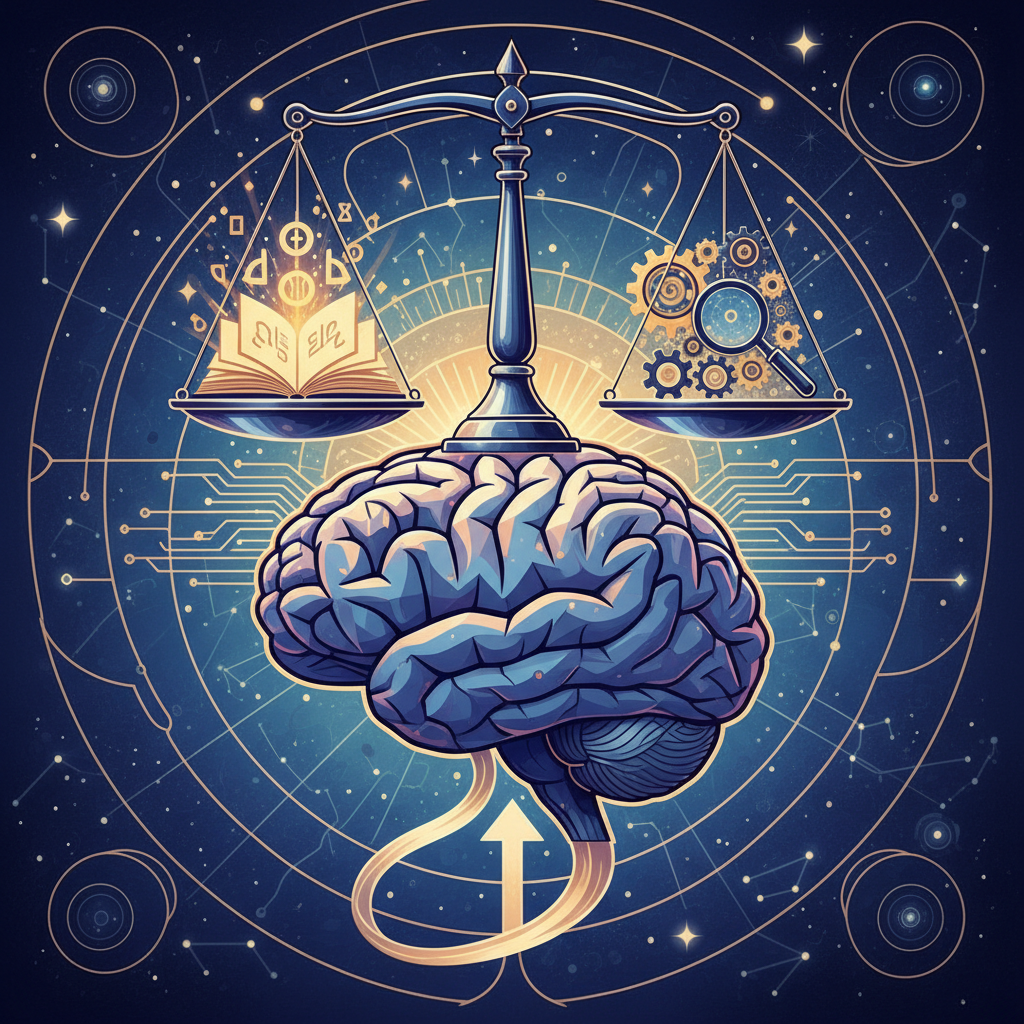
Mind Over Matter

Ascent

EarnWise

ConnectSphere

Kindred Spirits

Connect & Thrive
untitled

BidSure Insurance Marketplace

Synergy Hub (Copy)

Vitality Compass

Mind Mastery

MindBloom

NutriQuest

MindWell

MediKids Adventures (Copy)
MediKids Adventures
Synergy Hub
Inner Bloom

Vitality Path
FundFlow Auctions
FundFlow Auctions (Copy)
Designing an Edge-AI Smart Wearable for Depression
Monitoring and Mitigation
To address major mental health challenges like clinical
depression and chronic anxiety, modern biomedical engineering leverages Edge
AI, low-power sensor integration, and high-performance semiconductor
components. Building a device that monitors, analyzes, and assists individuals
suffering from depressive episodes requires combining continuous physiological
data tracking with immediate, localized, on-device artificial intelligence
processing—ensuring complete user privacy and real-time responsiveness.
The proposed device, tentatively named the AuraSync
MindBand, is a discrete, continuous-monitoring smart wearable (worn as a
comfortable headband or smart ring integration) designed to detect
physiological precursors of depressive relapses, anhedonia, and acute stress.
System Architecture and Hardware Foundation
Designing a real-time mental health wearable requires
ultra-low power consumption, rapid data caching, and compact physical
dimensions. Utilizing advanced semiconductor solutions similar to those
engineered by industry leaders such as Micron Technology, the device integrates
low-power mobile DRAM, high-density flash storage, and energy-efficient edge
processing units.[1]
|
Subsystem |
Component Type |
Function in Depression Monitoring |
|
Sensing Array |
PPG, EDA, and Accelerometer |
Measures Photoplethysmography (PPG) for Heart Rate
Variability (HRV), Electrodermal Activity (EDA) for sympathetic nervous
system arousal, and motor activity tracking. |
|
Processing Core |
Ultra-Low-Power Edge SoC |
Runs localized lightweight machine learning models
(TinyML) to detect depressive troughs, sleep architecture degradation, and
behavioral withdrawal. |
|
System Memory |
LPDDR5 / LPDDR5X RAM |
Provides instant runtime caching for biometric signal
analysis without causing high battery drain or latency. |
|
Local Storage |
e.MMC or UFS-based MCP |
Securely stores encrypted baseline behavioral trends and
logs local anomaly events safely on the device. |
1. Biometric Capture2. LPDDR5 Caching3. Edge AI Inference4.
Local UFS Storage5. Intervention Triggerstage020406080Processing Pipeline
Priority
How the Device Mitigates Depression
Clinical depression is often characterized by autonomic
nervous system dysregulation, disrupted circadian rhythms, and social or
physical withdrawal. The AuraSync MindBand targets these facets through a
closed-loop therapeutic intervention mechanism:
- Continuous
Autonomic Tracking via HRV: Low Heart Rate Variability is a
well-established physiological marker of chronic stress, emotional
rigidity, and major depressive episodes. The device continuously logs
RMSSD (Root Mean Square of Successive Differences) intervals via optical
sensors.
- Behavioral
Inertia and Sleep Analysis: By tracking movement patterns via internal
accelerometers alongside deep sleep duration, the device identifies
behavioral changes such as psychomotor retardation or severe
insomnia—early indicators of a deepening depressive phase.
- Edge-AI
Pattern Recognition: Unlike traditional trackers that stream raw
medical data to vulnerable cloud servers, the MindBand utilizes on-device
neural networks. This guarantees complete data privacy, which is critical
for mental health applications where users fear data stigmatization.
- Immediate
Tactile and Acoustic Biofeedback: When the local AI detects an abrupt
spike in sympathetic nervous system activation paired with sustained low
physical movement, it triggers gentle, haptic breathing pacing exercises
or plays personalized auditory stimuli designed to ground the user and interrupt
ruminative thought loops.
AuraSync MindBand Conceptual Design
Technical Challenges and Future Outlook
Developing consumer-grade neurological and psychological
support wearables involves significant engineering hurdles:
- False
Positives: Differentiating between physiological arousal caused by
physical exercise versus emotional distress/anxiety requires sophisticated
context-aware machine learning filters.
- Power
Management: Running continuous sensor suites and local AI inference
demands ultra-dense, low-voltage memory configurations (like sub-0.5V
LPDDR architectures) to ensure multi-day battery life without heavy
thermal footprints.
By bridging advanced semiconductor memory solutions with
empathetic mental health tracking, edge-AI health devices can provide
proactive, private, and continuous support for individuals managing depression.
To address the growing environmental crisis of electronic
waste and the geopolitical scarcity of critical minerals, scientists and
engineers have conceptualized a revolutionary sustainable illumination
apparatus known as the Bio-Galvanic Upcycling Luminary (BGUL). This
novel device bridges the gap between waste management and advanced
optoelectronics by transforming ordinary household garbage, discarded organic
refuse, and recycled e-waste into a self-sustaining source of ambient light.
Based o
The inner architecture of the BGUL relies on a multi-tiered
chemical and biological reaction chamber. Instead of depending exclusively on
mined rare earth elements like yttrium, terbium, or neodymium—which carry a
heavy ecological footprint—the machine extracts luminescent phosphors and
conductive traces from discarded electronics, such as broken smartphone screens
and burnt-out circuit boards. The organic refuse (such as food scraps and
agricultural waste) is broken down via microbial fuel cell technology to
generate a low-voltage bio-electricity, which powers a localized catalytic
conversion process.
Composted Organic RefuseFresh Water CatalystRecovered Trace
MetalsRecycled E-Waste GlassMaterial Type0510152025303540PercentageComposted
Organic RefuseFresh Water CatalystRecovered Trace MetalsRecycled E-Waste
GlassMaterial Type
The Bio-Galvanic Upcycling Luminary
(BGUL)
The operation of the device can be broken down into three
distinct, highly integrated engineering steps:
|
Phase |
Input Material |
Operational Process |
Output |
|
Step 1: Bio-Digestion |
Organic food waste and kitchen scraps |
Anaerobic microbial breakdown |
Stable bio-current and carbon dioxide |
|
Step 2: E-Waste Extraction |
Discarded LCD glass and microchips |
Chemical leaching and mechanical pulverization |
Reclaimed silicon nanocrystals and trace phosphors |
|
Step 3: Photon Emission |
Bio-electricity + Reclaimed Nanocrystals |
Electroluminescent and chemiluminescent activation |
Long-lasting, zero-grid ambient illumination |
By synthesizing discarded refuse and e-waste into a
functional optical array, the BGUL proves that future lighting technologies do
not need to rely on the destructive strip-mining of rare earth deposits.
Instead, it turns society's discarded burdens into a beacon of sustainable
innovation.
The Quiet Drum
⭐ Score: 0
YES QUEST 🚀
Enter your name:
Choose your character:
🦁 🦉 🐬 🐜⭐ Score: 0
👥 Team Power: 0
🏆 Leaderboard
Welcome to the Path to Longevity! 🌿
Your goal is to live a long and healthy life by following traditional Chinese wisdom.
🌍 Kindness Quest 🌈
Learn knowledge. Choose kindness. Bring peace to the world.
Science
What planet do we live on?
💖 Kindness Hearts: 0


6 Comments:
dr julie rao 6047109668 tips for health soak feet in warm water is good tcm Yes! In Traditional Chinese Medicine (TCM), soaking the feet in warm water is considered very beneficial for overall health. Here’s why, specifically in TCM terms:
Stimulates the Kidney Meridian
In TCM, the Kidneys are linked to vitality, growth, and immunity.
Many acupoints related to the Kidney meridian are located on the soles of the feet, so soaking or massaging the feet can “warm the Kidney Yang,” especially helpful for cold sensations or low energy.
Promotes Blood and Qi Circulation
Warm water encourages Yang energy to flow and helps blood and Qi move, which can relieve fatigue, improve sleep, and reduce coldness in the lower body.
Relieves Stress and Improves Sleep
Foot soaking is a gentle way to relax the whole body.
TCM often recommends a foot soak before bed to calm the Shen (mind/spirit) and promote better sleep.
Helps with Coldness and Dampness
People with cold feet, cold hands, or general yang deficiency benefit the most.
Adding herbs like ginger, mugwort (Ai Ye), or Chinese cinnamon can enhance warming effects.
Tips for a TCM-style foot soak:
Water temperature: warm but comfortable (around 38–42°C / 100–108°F).
Duration: 15–30 minutes is ideal.
Optional: add a few slices of fresh ginger or a handful of dried herbs.
Avoid very hot water—it can damage Qi and Yin.
So yes, from a TCM perspective, soaking your feet in warm water is considered good for circulation, kidney health, and overall well-being.
TCM Foot Soak for Warming Yang and Promoting Circulation
Ingredients (for 1 soak):
Warm water: enough to cover your feet up to the ankles (around 38–42°C / 100–108°F)
Fresh ginger slices: 3–5 slices (warming, improves circulation)
Dried mugwort (Ai Ye): 5–10 grams (helps dispel cold and dampness)
Optional: Chinese cinnamon stick: 1–2 small pieces (adds warmth)
Step-by-Step Instructions:
Prepare the water
Boil 500–700 mL of water with ginger, mugwort, and cinnamon for 5–10 minutes.
Pour the hot water into a basin and add cold water to reach a comfortable temperature (~38–42°C).
Soak your feet
Sit comfortably and immerse your feet up to the ankles.
Soak for 15–30 minutes. You can gently move your feet or massage them during the soak to stimulate acupoints.
Relax and breathe
Close your eyes, breathe slowly, and focus on feeling warmth spreading from your feet up through your body.
TCM believes this helps calm the Shen (mind/spirit) and improves sleep.
Dry and keep warm
After soaking, gently dry your feet and put on warm socks.
Avoid walking barefoot on cold floors immediately afterward, or the Yang-warming effect will be lost.
When to do it
Best before bedtime to relax and promote sleep.
Ideal for cold feet, fatigue, poor circulation, or feeling chilly in winter.
⚠️ Notes / Cautions (TCM perspective)
Avoid very hot water—it can damage Yin or irritate the skin.
People with high fever or acute inflammation should not do hot foot soaks.
Keep it comfortable and relaxing—TCM is about balance, not extremes.
Ah, yes — in TCM (Traditional Chinese Medicine), the advice to avoid cold foods and fruits isn’t just “random health advice,” it’s based on how the body’s Yang and Qi interact with temperature. Let me explain carefully.
1. Cold foods can weaken the Spleen and Stomach
In TCM, the Spleen and Stomach are the “central digestive organs” that transform food into Qi (energy) and blood.
Cold foods (ice, chilled drinks, raw fruit, watermelon, cucumber) are thought to contract and slow down the digestive system, making it harder for the body to extract energy.
Over time, this can lead to:
Fatigue
Poor appetite
Loose stools or bloating
2. Cold foods can harm Yang energy
Yang is the body’s warming, active energy.
Cold foods are said to cool down the body, which can be helpful if someone has heat, but bad for those with Yang deficiency or cold constitution (cold hands/feet, tiredness, pale complexion).
Eating too much cold food can exhaust the body’s warming energy, making you feel sluggish or chilled.
3. Cold foods can create “dampness”
TCM says dampness is a sticky, heavy energy that can lead to sluggishness, bloating, and phlegm.
Cold, raw foods are thought to increase internal dampness, especially if the Spleen is weak.
4. Exceptions & Modern Perspective
People with heat signs (like inflammation, acne, sore throat) may benefit from some cold fruits.
Seasonal and body-specific: TCM advice changes depending on your constitution, season, and health condition. For example:
Summer: a little watermelon or cucumber is okay to prevent overheating.
Winter: avoid too much raw/cold food, favor warm, cooked meals.
✅ Summary (TCM logic):
Cold foods → slow digestion → weaken Spleen/Stomach → reduce Qi → worsen cold/Yang deficiency → possibly cause dampness.
1. Warming Foods (Good for cold, Yang deficiency, low energy)
These help warm the body, strengthen Yang, and improve circulation:
Fruits:
Longan
Lychee (dried is stronger)
Cherries (small amounts)
Mango (ripe, in moderation)
Other foods:
Ginger, cinnamon, garlic
Lamb, chicken (especially stewed)
Walnuts, chestnuts, black sesame seeds
2. Neutral Foods (Safe for most constitutions)
These are balanced, don’t strongly warm or cool:
Fruits:
Apples
Pears (ripe, cooked is better if you’re cold-prone)
Bananas (neutral if not overly chilled)
Grapes
Oranges
Other foods:
Rice, oats, wheat
Eggs, fish
Tofu
3. Cooling / Cold Foods (Can weaken Yang if overused)
These clear heat but can slow digestion or increase dampness if eaten too much by cold-prone people:
Fruits:
Watermelon
Cucumber (yes, fruit in TCM terms!)
Pineapple
Strawberry
Kiwi
Lemon / citrus in excess
Other foods:
Raw salads or vegetables
Ice cream, iced drinks, soda
Dairy (some TCM schools consider very cooling)
Tips for TCM-Friendly Eating
Prefer cooked fruits or lightly warmed fruit compotes in winter.
Eat warming foods in the morning or evening to boost Yang.
If your body is naturally cold (cold hands/feet, fatigue), avoid too much raw/cold fruit, especially in winter.
In summer, a little cooling fruit is fine for heat, but don’t overdo it.
dr tan 6048138423 text me Chi Kung” (also spelled Qigong) in Shaolin context refers to a traditional Chinese practice focused on cultivating and working with chi (Qi), the vital life‑force energy that flows through the body. It’s a core part of Shaolin training alongside physical kung fu and meditation.
Lohan School of Shaolin Kung Fu
+1
🌀 What Chi (Qi) Means
Chi (气 / 氣) is understood in Chinese culture as vital energy or life force that sustains physical, mental, and emotional functioning.
It’s similar to concepts in other traditions (e.g., prana in yoga), representing the life force flowing through “meridians” in the body.
Lohan School of Shaolin Kung Fu
☯️ What “Chi Kung” / “Qigong” Means
The word Chi Kung is made of two parts:
Chi (Qi): energy or breath
Kung (Gong): skill, cultivation, or effort
So Chi Kung literally means “working with or cultivating energy.”
shaolin.org
🥋 Shaolin Chi Kung
In the tradition of the Shaolin Temple, Chi Kung is practiced as a holistic method to develop vital energy, improve health, strengthen the body and mind, and support martial arts training:
Shaolin Chi Kung integrates breathing, movement or stillness, and mental focus to enhance the flow of qi.
It’s used for health, vitality, inner calm, and longevity.
Shaolin Wahnam Switzerland
+1
🧘♂️ How It’s Practiced
There are different forms and approaches within Shaolin Chi Kung:
✅ Dynamic forms – involve coordinated gentle movements with breath and focus (sometimes similar to slow exercises).
✅ Static practices – standing meditation, breathing, or mindful postures.
✅ Internal cultivation – directing awareness inward to sense and guide qi.
shaolinskungfu.com
🧠 Purpose & Benefits (Traditionally)
Practitioners believe Chi Kung helps with:
Relaxation and stress reduction
Improved circulation of qi and blood
Enhanced respiration and energy levels
Better mental clarity and emotional balance
Support for health and prevention of illnesses
Stronger internal energy useful in martial arts
Shaolin Wahnam Switzerland
+1
🥋 Relation to Shaolin Kung Fu
Shaolin kung fu (the martial art) historically includes internal training (like Chi Kung) as well as external training (physical fighting techniques).
Internal Chi Kung supports strength, stamina, calmness, and the more subtle aspects of traditional kung fu.
Shaolin Kung Fu Academy
1. Feeling chi: the first step
Shaolin masters start by becoming aware of subtle sensations in the body.
This usually begins with standing meditation or slow qigong movements.
Common sensations:
Warmth in the hands or feet
Tingling or heaviness in limbs
A sense of “flow” along the spine or arms
Tip: Beginners often start by putting hands a few inches apart and imagining energy between them—after practicing, some feel a subtle pressure or vibration.
2. Using breath to guide chi
Breath and chi are closely linked in Shaolin practice.
Techniques include:
Deep abdominal breathing: filling and emptying the lower belly slowly
Coordinating breath with movement: inhale while opening/stretching, exhale while contracting/closing
This trains the body to move chi through meridians (energy pathways) in a controlled way.
3. Directing chi with intention (mind focus)
Shaolin emphasizes the mind leading the chi.
Example exercises:
Imagine chi flowing from the dantian (a point a few inches below the navel) to the hands or feet
Visualize chi gathering, warming, or circulating in a specific part of the body
The mind’s attention guides where chi flows, similar to how focusing your thoughts can control muscles or posture.
4. Chi for internal strength
Once you can sense and guide chi:
You can strengthen your body internally without obvious external movement
This is why Shaolin masters can perform impressive feats, like holding strong stances for hours or breaking objects—they combine physical strength with chi cultivation.
Even subtle chi movement improves balance, stamina, and circulation, which is part of why qigong feels so energizing.
5. Why it feels mysterious
Chi is subtle and internal, so someone who hasn’t trained may not feel it at all.
Shaolin masters develop years of awareness, body control, and mental focus—like “learning a sixth sense” for their own energy.
To an outsider, it looks like magic, but to the practitioner, it’s a refined, trained awareness of body, breath, and energy flow.
✅ In short:
Shaolin masters sense and control chi by:
Feeling internal sensations (warmth, tingling, flow)
Using breath to guide energy
Directing chi with focused intention
Applying it to internal strength and martial arts
It’s part body, part mind, part subtle energy, and that’s why chi can’t be fully explained scientifically—it’s experiential.
If you want, I can give a simple beginner Shaolin chi kung exercise you can try safely at home to feel chi for yourself. It only takes 5–10 minutes a day.
Do you want me to show that?
show mw me a yotuutbe
Here’s a good YouTube video you can follow along to try Shaolin‑style Chi Kung / Qigong — a great way to start feeling chi through slow movements, breath, and mindful focus:
This video shows traditional Shaolin Qigong forms that emphasize slow, controlled movement with breath — very useful if you’re new to chi kung.
YouTube
Tips for practicing with this video
💆♂️ Start slow — follow the pace shown so you can feel the movement and breathing.
YouTube
🌬️ Coordinate breath with movement — inhale when raising arms/expanding the body, exhale when lowering/contracting.
YouTube
🧘 Focus on sensation — pay attention to warmth, flow, or gentle pressure in your body to start sensing chi.
YouTube
Post a Comment
Subscribe to Post Comments [Atom]
<< Home